December 8, 2025
HVAC (Heating, Ventilation, and Air Conditioning) systems play a critical role in ensuring comfort and air quality in both residential and commercial settings. However, like any complex machinery, HVAC systems frequently encounter various issues that can impair their performance and efficiency. Recognizing these problems and engaging a reliable HVAC company is crucial for optimal system functionality and longevity.
The most common HVAC problems include inadequate airflow, thermostat malfunctions, refrigerant leaks, and clogged filters. Such issues not only affect the comfort levels in a living or working space but can also lead to increased energy consumption and higher utility bills. By understanding these challenges, property owners can appreciate the value of professional intervention in maintaining their HVAC systems.
1. Identify the Causes of Inadequate Airflow
Inadequate airflow in HVAC systems can often be attributed to several factors such as blocked vents, ductwork issues, or dirty filters. Accumulated dirt and debris can obstruct the flow of air, leading to uneven cooling or heating throughout the space. Additionally, poorly designed ductwork can result in air leaks or weak airflow, reducing the system's effectiveness.
Mechanical issues within the blower or fan can also cause reduced airflow, impacting the overall comfort and efficiency of the HVAC system. In some cases, improper installation or system design flaws may be the underlying cause. Identifying and understanding these causes is the first step toward restoring optimal airflow.
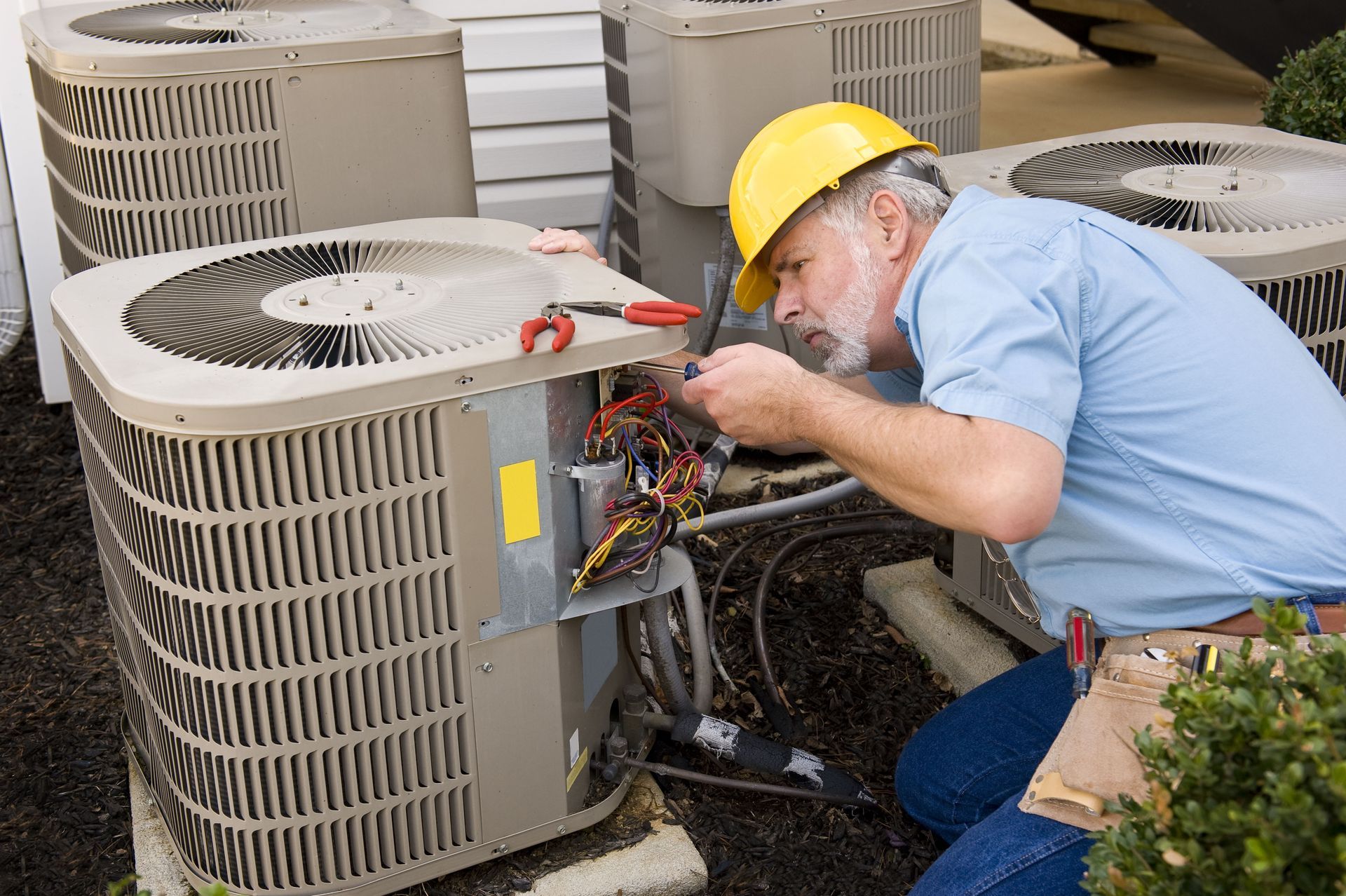
According to This Old House, three common HVAC problem indicators include unusual noises, inconsistent temperatures, and poor air quality. A professional HVAC technician is equipped to diagnose these issues accurately by inspecting various system components. Regular maintenance checks can prevent these problems from escalating, ensuring smooth and efficient operation.
2. Assess the Impact of Inadequate Airflow on HVAC Efficiency
Reduced airflow significantly impairs HVAC system efficiency, leading to increased energy consumption and higher utility bills. When the system struggles to distribute air properly, it works harder and longer to reach the desired temperature, thus consuming more energy. Over time, this additional strain can cause wear and tear on critical system components, thereby reducing the system's lifespan.
Moreover, inadequate airflow can decrease indoor air quality, as contaminants are not effectively filtered and circulated through the space. This can be particularly problematic for individuals with allergies or respiratory conditions, as they require clean and well-ventilated air. Inconsistent temperatures across different areas can also arise, affecting comfort levels within the space.
An efficient HVAC system is vital for maintaining optimal comfort and energy efficiency. By addressing airflow issues promptly, property owners can enhance system performance and ensure consistent indoor comfort. HVAC professionals can offer insights into improving system design and operation, preventing future efficiency challenges.
3. Implement Solutions for Improved Airflow
HVAC professionals offer a range of solutions to address inadequate airflow and improve system performance. A thorough system inspection helps identify blockages, leaks, or mechanical issues that may be affecting airflow. Technicians can then clean and repair ductwork, replace clogged filters, and adjust system settings to optimize airflow.
Regular maintenance is essential for preventing and addressing airflow issues in HVAC systems. Scheduled inspections allow technicians to diagnose and resolve potential problems before they escalate into serious concerns. This proactive approach can significantly extend the lifespan of the system and keep it running efficiently.
Routine maintenance tasks such as cleaning or replacing filters, inspecting ductwork, and checking airflow measurements can address common issues before they impact system performance. Additionally, regular maintenance can help identify opportunities for system upgrades or enhancements, improving overall efficiency.
4. Address Thermostat Malfunctions Effectively
A malfunctioning thermostat can wreak havoc on an HVAC system, leading to uneven temperatures and inefficient operation. Common symptoms of a failing thermostat include incorrect temperature readings, regular system cycling, or an unresponsive interface. These issues can result in widespread discomfort and escalate energy usage unnecessarily.
Homeowners might notice sudden changes in indoor climate without any adjustments to the thermostat settings. Such inconsistencies often indicate that the thermostat is either inaccurately measuring the temperature or failing to communicate effectively with the HVAC system. It's crucial to address these warning signs promptly to prevent further complications.
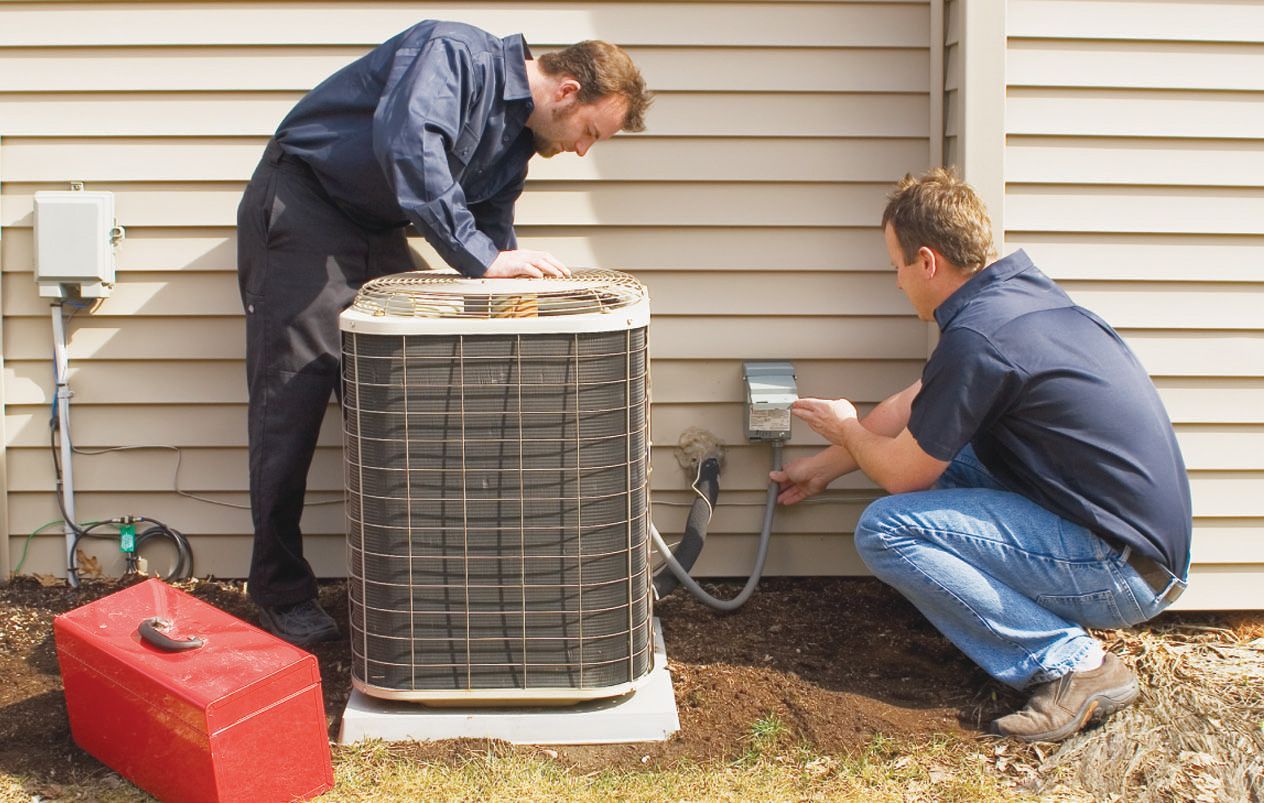
Engaging an HVAC company is essential when dealing with thermostat malfunctions, as their expertise ensures accurate diagnosis and effective solutions. Skilled technicians can assess the thermostat's compatibility with the existing HVAC system and address any discrepancies that may arise. They can provide recommendations on whether repair or replacement is the best course of action.
A good HVAC company are equipped to handle the installation and calibration of new thermostats, ensuring they work seamlessly with the system. Moreover, ongoing maintenance performed by an HVAC company can help identify and address emerging thermostat problems before they impact system performance.
5. Detect and Resolve Refrigerant Leaks
Refrigerant leaks are a serious issue that can severely impact system performance and efficiency. These leaks often occur due to wear and tear, corrosion, or physical damage to refrigerant lines. Incorrect installation by an HVAC company may also contribute to this problem.
Detecting refrigerant leaks requires specialized knowledge and equipment. Common indicators of a refrigerant leak include reduced cooling efficiency, an unusual hissing noise, and ice formation on evaporator coils. It is essential to address these issues promptly, as refrigerant plays an integral role in the cooling process.
6. Evaluate the Consequences of Low Refrigerant Levels
Low refrigerant levels can lead to significant declines in HVAC system performance and energy efficiency. When refrigerant levels drop, the system struggles to achieve the desired temperature, resulting in longer operational cycles and increased energy consumption. This inefficiency can contribute to higher utility bills and a greater environmental impact.
Moreover, inadequate refrigerant levels place additional strain on the compressor, one of the most vital components of the HVAC system. Over time, this excess strain can lead to compressor failure, necessitating costly repairs or replacements. Consistent operation with low refrigerant levels can ultimately shorten the system's lifespan and compromise indoor comfort.
7. Perform Professional Refrigerant Repair and Recharging
Handling refrigerant leaks requires technical expertise and compliance with safety regulations. Experienced HVAC professionals employ specialized techniques to identify, repair, and recharge refrigerant lines safely and effectively. This process begins with a thorough inspection to locate the source of the leak.
Once detected, the technician will repair any damaged components or replace faulty parts to ensure a secure, leak-free system. After resolving the physical issue, the system is recharged with the appropriate amount of refrigerant, aligning with manufacturer specifications. Proper recharging is crucial for optimizing system performance and avoiding future issues.
A professional HVAC company will inspect refrigerant lines for leaks and wear. Prompt repair ensures your cooling system operates efficiently and reduces the risk of costly breakdowns. Clients often notice dramatic improvements in system performance and operational costs after professional intervention.
8. Recognize and Remedy Dirty or Clogged Filters
Clogged filters are a common problem within HVAC systems, resulting from accumulated dust, dirt, and debris. Recognizing the signs of a clogged filter is vital to maintaining efficient system operation. Common indicators include reduced airflow, increased dust accumulation in the home, and unusual odors emanating from the vents.
In many cases, a noticeable drop in air quality accompanies a clogged filter, particularly for individuals with allergies or respiratory issues. This is because the filter is no longer able to capture airborne particles effectively, allowing them to circulate throughout the space. Regularly monitoring the condition of HVAC filters is essential to maintaining clean and efficient air distribution.
HVAC systems are vital for maintaining comfort, energy efficiency, and healthy indoor air. Issues like poor airflow, thermostat problems, refrigerant leaks, or dirty filters can affect performance if ignored. Engaging an HVAC company ensures proper diagnosis, expert repairs, and preventative maintenance. To keep our home or business running efficiently and comfortably, learn more about how Air Heroes HVAC can help.