January 16, 2026
Heating, ventilation, and air conditioning systems play a vital role in maintaining indoor comfort and healthy air quality in residential settings. By regulating temperature, managing airflow, and controlling humidity levels, HVAC systems create a stable and comfortable living environment year-round. Despite their importance, many homeowners overlook routine maintenance, which can lead to reduced efficiency and a shortened system lifespan. Partnering with local HVAC companies for regular inspections and upkeep ensures optimal performance, prevents premature failure, and delivers long-term cost savings.
Understanding the Role of HVAC Systems
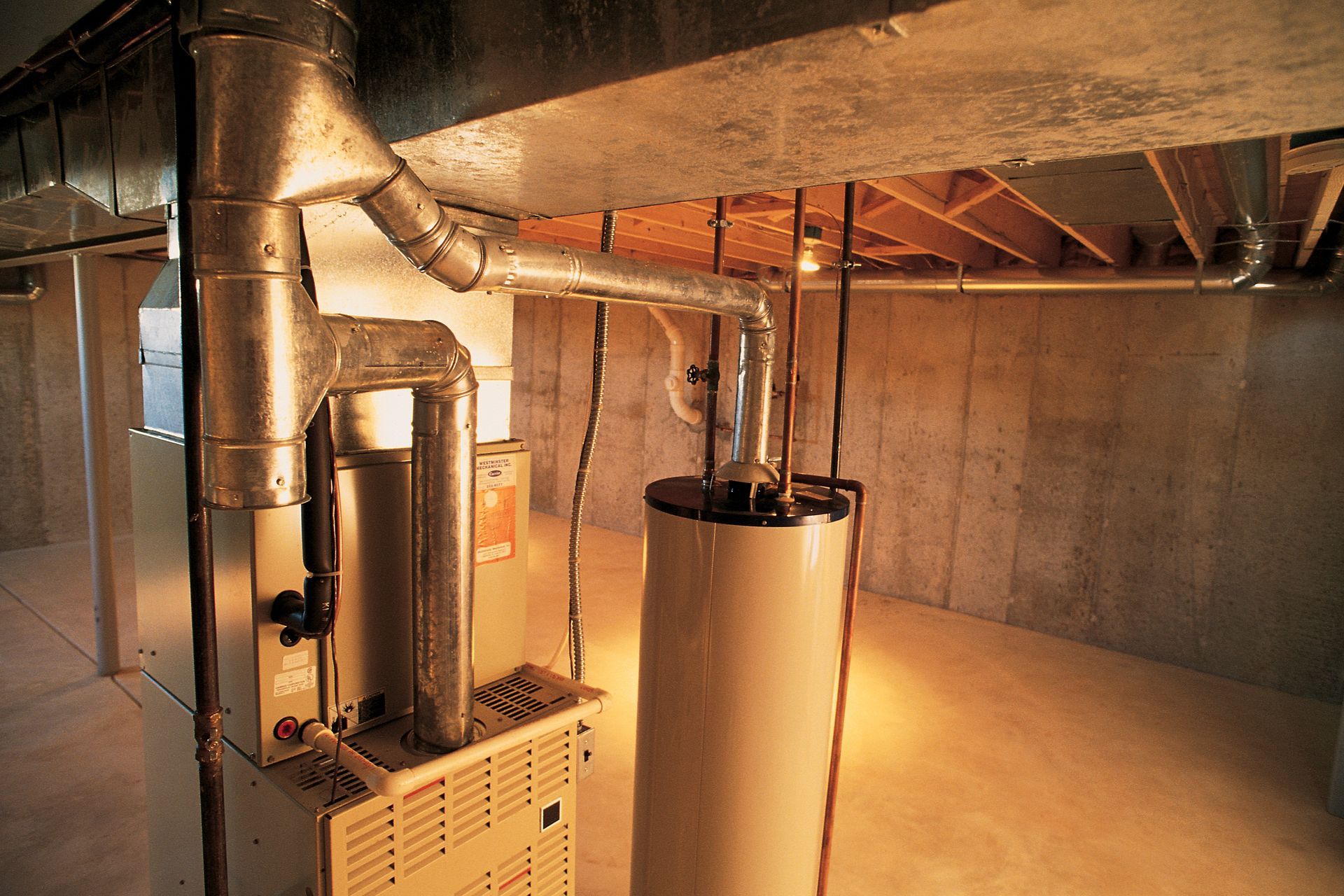
HVAC systems are composed of several key components that work in unison to regulate a home's climate. Core components include the furnace or heat pump, air conditioner, ductwork, and filtration elements, each playing a significant role in system functionality. Essentially, the system's job is to circulate warm or cool air throughout a structure to maintain a comfortable ambient temperature. Regular maintenance is crucial, as each component must operate optimally to avoid strain on the entire system. With proper attention, the HVAC system's components can serve homeowners effectively for many years.
There are several types of HVAC systems available, each designed to accommodate different household needs and comfort preferences. Central air conditioning systems remain a popular choice because they efficiently cool entire homes through a network of ducts, while ductless mini-split systems offer flexible, zoned temperature control. Heat pumps provide both heating and cooling capabilities, making them a versatile solution across various climates and seasonal demands. Local HVAC companies help homeowners understand the unique maintenance requirements of each system type, ensuring efficient operation, longevity, and consistent indoor comfort.
The efficiency and longevity of an HVAC system are of paramount importance to homeowners, impacting both comfort and financial health. A system that operates efficiently uses less energy, which translates to lower utility bills and decreased environmental impact. Longevity, meanwhile, ensures that the homeowner's investment endures for many years, delaying the need for costly replacements. Regular maintenance is pivotal in preserving both these aspects, as neglect can lead to increased wear and system failure. Thus, efficient systems also contribute to the broader goal of sustainable living.
Learning The Basics of Regular HVAC Maintenance
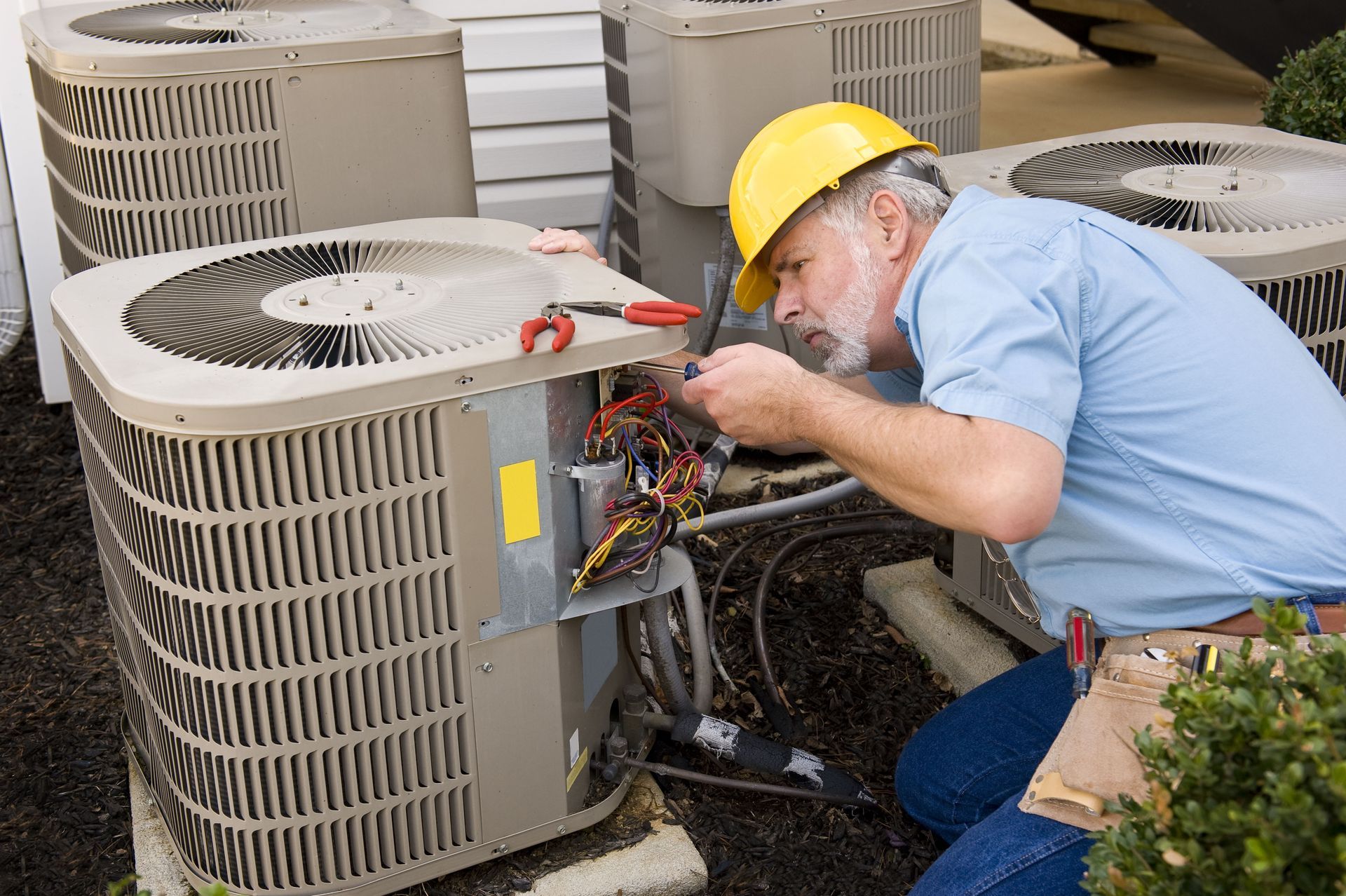
Scheduling regular inspections with a professional technician is a cornerstone of effective HVAC maintenance. These inspections allow technicians to assess the system's components, identifying potential issues before they escalate into costly repairs. Technicians can provide homeowners with checklist items for seasonal maintenance, ensuring that all aspects of the system are evaluated. Moreover, routine inspections offer peace of mind by verifying the system is operating safely and efficiently. Establishing a regular inspection schedule is a proactive approach that extends the system's lifespan and optimizes performance.
One of the simplest yet most effective maintenance tasks is the regular replacement of filters and cleaning of ductwork. Clean filters improve airflow, reduce strain on the system, and ensure optimal air quality by trapping dust and allergens. Over time, ductwork can accumulate dust and debris, which not only affects air quality but also reduces system efficiency. Clean ducts ensure that air flows freely, reducing the workload on your HVAC system and improving energy efficiency. Regular attention to these areas is crucial for maintaining good indoor air quality and system performance. In addition, consistent filter and duct maintenance can help prevent premature component wear and lower the risk of costly HVAC repairs.
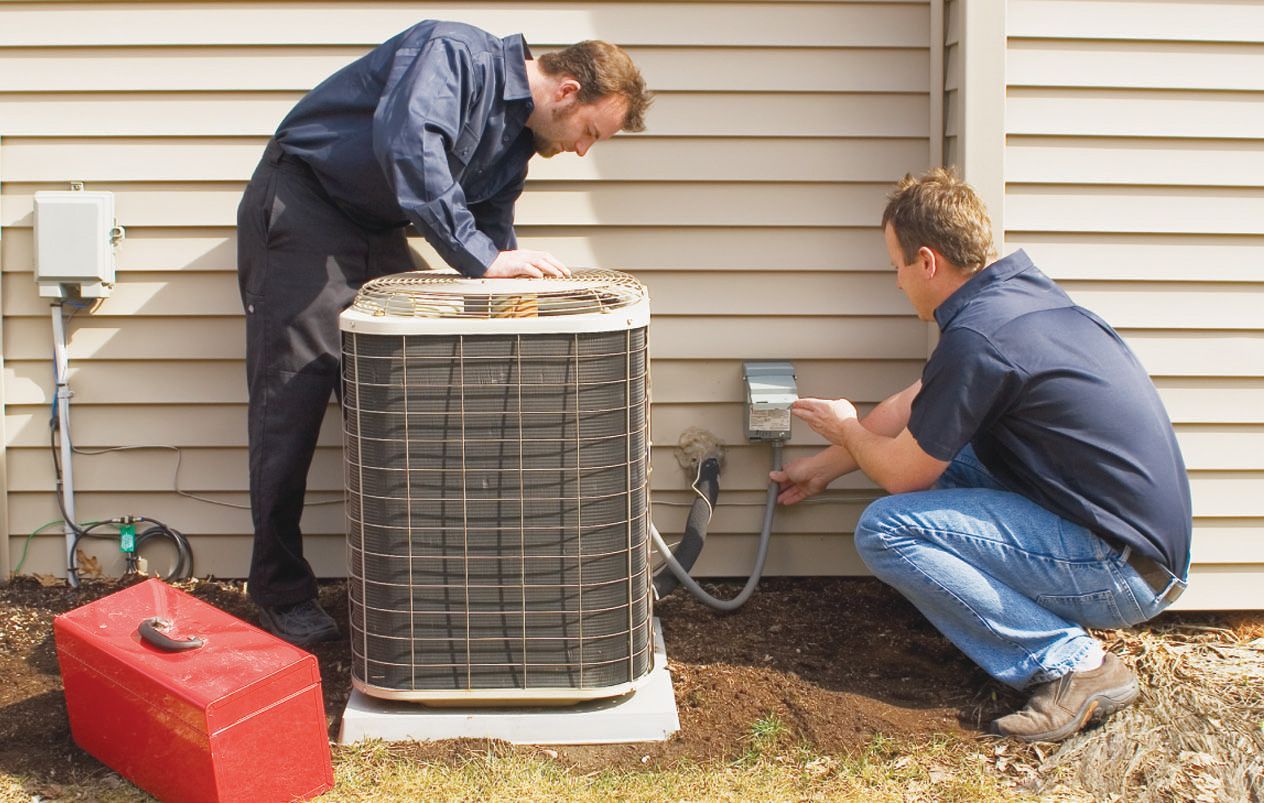
The condenser and evaporator coils within an HVAC system are essential to effective heat exchange and must remain clean to ensure optimal performance. When these coils become dirty or obstructed, the system must work harder to heat or cool the home, resulting in increased energy consumption and higher utility bills. Local HVAC companies emphasize regular coil cleaning as a critical maintenance task to prevent the accumulation of dust, dirt, and debris that can impair efficiency. Clean coils allow the system to operate smoothly, reducing strain on components and lowering the risk of unexpected breakdowns. Consistent maintenance of these coils ultimately supports the overall health, efficiency, and longevity of the HVAC system.
Recognizing the Benefits of Regular HVAC Maintenance
Regular HVAC maintenance is directly linked to improved energy efficiency in homes. A well-maintained system operates with ease, reducing the amount of energy required to achieve desired temperature settings. This efficiency translates to lower energy bills, offering significant savings over time. Moreover, by consuming less energy, the system's environmental impact is reduced, contributing to broader sustainability goals. According to Workyard, 88% of households in the U.S. use air conditioning, with two-thirds relying on central AC or heat pumps, making these benefits particularly compelling.
Sustained HVAC maintenance significantly improves system reliability, ensuring dependable performance when it is needed most. By partnering with local HVAC companies, homeowners can rely on regular professional inspections to identify minor issues before they escalate into costly breakdowns. A well-maintained system provides consistent heating and cooling, which is especially important for families living in regions with extreme seasonal temperatures. Investing in routine maintenance ultimately guarantees stable comfort and minimizes disruptions caused by unexpected HVAC failures.
One of the most significant advantages of regular HVAC maintenance is the extension of the system's operational lifespan. Proper care prevents premature wear and tear on system components, forestalling the need for replacement. Over time, the system continues to deliver comfort and efficiency without the financial toll of early replacement costs. A commitment to regular maintenance preserves the system's value and ensures it remains a reliable asset for homeowners. As a result, homeowners can avoid the major expense and inconvenience of installing a new system prematurely.
Reducing Costs Through Preventative Measures
Investing in regular HVAC maintenance delivers measurable long-term savings for homeowners assessing the true cost of system ownership. By working with local HVAC companies, homeowners can reduce emergency repair needs while improving overall energy efficiency. Although scheduled service carries an upfront cost, it is typically outweighed by cumulative savings achieved over the system's lifespan. Consistent upkeep also minimizes the risk of premature replacements, making routine maintenance a financially sound strategy that protects both budget and home value.
Preventative maintenance is inherently designed to minimize the need for large-scale repairs, which can be both costly and inconvenient. Routine inspections catch minor issues that, if left unaddressed, could escalate into more serious problems requiring extensive intervention. By continuously monitoring the system's performance, technicians can make adjustments that keep the system running smoothly. As a result, homeowners gain peace of mind from knowing they are proactive rather than reactive in addressing issues. This proactive approach offers substantial savings and minimizes disruptions to home life.
Homeowners who maintain their HVAC systems may also benefit from energy efficiency incentives and rebates offered by local utilities or government programs. Many regions offer financial incentives to encourage more efficient energy use, rewarding homeowners for upgrading and maintaining efficient HVAC systems. These incentives can offset the cost of maintenance and improvements, making energy conservation financially appealing. By staying informed about available programs, homeowners can further augment their savings through these external resources. Such incentives align consumer benefits with broader public goals for reduced energy consumption.
Regular HVAC maintenance is essential for keeping home systems running efficiently and extending their lifespan. By scheduling routine inspections and preventative care with local HVAC companies, homeowners can enjoy cost savings, improved indoor air quality, and greater system reliability. Partnering with trusted professionals ensures long-term performance and peace of mind for every household. Maintain your HVAC systems with the help of Air Heroes HVAC, and keep your home comfortable all year long.