February 3, 2026
The cold season is upon us, and ensuring your home is warm and safe is a top priority. With these essential winter heating tips, including crucial furnace repair advice, you'll be well-prepared to maintain a cozy and secure environment.
How Can You Improve Furnace Efficiency?
Simple Adjustments to Enhance Efficiency
There are several minor adjustments homeowners can implement to boost their furnace's efficiency. One effective step is adjusting the thermostat by a few degrees lower. Even minor temperature reductions can result in substantial savings on energy bills without compromising comfort. Using programmable thermostats enables automatic temperature adjustments based on when you're home or asleep, optimizing heating efficiency.
Sealing leaks around windows and doors is another simple yet effective measure. Drafts allow precious heat to escape, forcing the furnace to operate longer and harder. Applying weatherstripping or caulking is an inexpensive and immediate solution to this issue. Such measures improve overall home insulation, reducing the load on the furnace, reducing the need for furnace repair and saving on energy costs.
Ensuring that vent dampers are adjusted properly can also enhance system efficiency. During inspections, evaluate whether they allow for optimal heat circulation. Rebalancing these can aid in more equitable heat distribution, enhancing overall comfort.
Why Furnace Filters Matter for Performance
Furnace filters play a significant role in system performance and indoor air quality. These filters capture dust, allergens, and other contaminants, preventing them from circulating in your home. Over time, they become clogged, impeding airflow and reducing the furnace's efficiency. Regular filter replacements are crucial to maintaining optimal function and air quality.
Allowing a filter to become excessively dirty can overwork the furnace, leading to increased energy consumption, the need for furnace repair, and heightened wear on the system. It can also exacerbate respiratory issues for inhabitants due to poor air circulation. Homeowners should assess their filter monthly, particularly if pets or high dust levels are present in the home. Keeping a supply of replacement filters on hand ensures prompt action when needed.
In terms of quality, opting for high-efficiency particulate air (HEPA) filters can make a noticeable difference. These filters trap finer particles, resulting in cleaner air and further improved furnace performance. While slightly more expensive, the enhanced efficiency and health benefits they provide are invaluable. This small yet impactful change supports a cleaner and more efficient heating operation.
What Are the Cost-Effective Ways to Heat Your Home?
Programmable Thermostat Benefits
Installing a programmable thermostat is a game-changer for reducing heating costs without sacrificing comfort. These devices automatically adjust the temperature based on personalized schedules, ensuring the system only runs when necessary. By lowering the heat during work hours or while sleeping, significant energy savings can be achieved. This automation contributes to overall heating cost reduction and appliance longevity.
The upfront investment in a programmable thermostat is minimal compared to the potential savings. With the ability to control these thermostats remotely via smartphone apps, adjustments can be made on the go. This feature is particularly beneficial for busy households, enabling real-time responses to weather changes or unexpected schedule alterations. Installing a programmable thermostat is an effective step towards better energy management.
Moreover, these devices are user-friendly, with intuitive programming that most homeowners can master quickly. The technology behind programmable thermostats continues to evolve, offering more sophisticated options like learning capabilities. A furnace that operates in sync with life’s rhythms allows efficiency gains without sacrificing comfort or increasing the need for furnace repair. The result is a warm home environment with a smarter approach to energy consumption.
Using Space Heaters Wisely
Space heaters serve as an excellent supplemental heating solution, especially in frequently used rooms. These portable units provide targeted warmth, reducing pressure on the central furnace system. Using a space heater allows the main thermostat temperature to be kept lower, which can reduce overall energy costs. However, it’s essential to use these heaters thoughtfully to ensure safety and efficiency.
Positioning space heaters wisely reduces the load on the central system and focuses warmth where it's most needed. Select models with built-in thermostats and timers for maximum control. This allows for temperature regulation and automatic shutoff when desired temperatures are reached. Harnessing the power of space heaters strategically can result in efficient heating during the cold months.
Additionally, it's crucial to follow manufacturer guidelines for safe use of space heaters, such as keeping flammable materials at a safe distance and ensuring proper ventilation. Regular inspection and upkeep can prolong their service life and ensure safe operation. By following these protocols, space heaters remain an economical and effective complement to central heating.
What Safety Measures Should You Take When Using a Furnace?
Install and Maintain Carbon Monoxide Detectors
The presence of carbon monoxide detectors in the home is vital when using a furnace, as it serves as a critical safety measure. This odorless, colorless gas can be a byproduct of burning fossil fuels and, if undetected, poses serious health risks. Installing detectors in high-risk areas, such as near sleeping quarters and the furnace room, ensures each zone is monitored for potential leaks. Regular testing and battery replacements ensure that these detectors provide reliable warnings.
In addition to detector placement, understanding placement guidelines and local safety codes enhances protection. Coordinating with professionals ensures accurate data on detector locations and maintenance schedules. Carbon monoxide poisoning symptoms mirror flu-like symptoms, so it's important to act immediately if the alarm sounds. Lifesaving safety equipment, like detectors, adds another layer of security in homes.
Investing in detectors that offer real-time monitoring via home automation systems integrates furnace safety into modern living environments. Professionals can advise on available options and provide recommendations that align with household needs. The assurance provided by these safety measures empowers residents to use their heating systems with confidence.
Furnace Placement and Ventilation Essentials
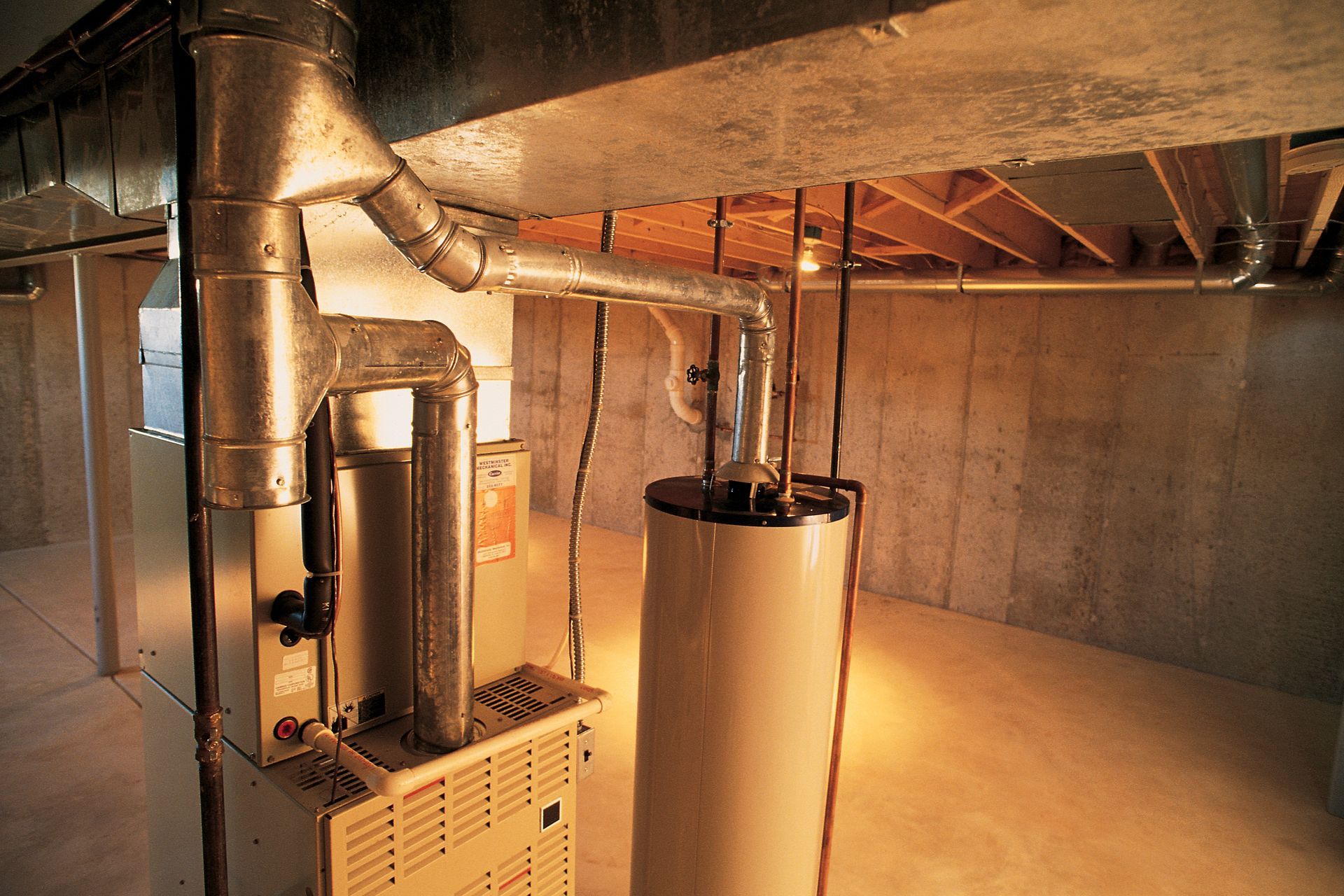
Correct furnace placement and ventilation are fundamental for safety and efficiency. Most units are installed in basements, utility rooms, or designated closets, depending on home layout and size. Ensuring enough space around the furnace for airflow prevents dangerous overheating and enhances performance. Compliance with building codes and manufacturer's specifications guarantees proper installation.
The venting system must effectively expel combustion gases, such as carbon monoxide, safely out of the home. Blockages or disconnections in venting can lead to serious dangers, highlighting the need for regular inspections. When considering renovations, ensuring that venting paths remain clear and operational is crucial. Well-planned furnace placement reduces risks, reduces the need for immediate furnace repair, and improves heating efficiency.
Lastly, understanding the airflow dynamics of the furnace location can influence overall home comfort. Consulting with certified HVAC specialists helps assess placement and ensure all components align with best practices. These preventative steps mitigate health hazards, halt the need for furnace repair, and maintain a cozy heated environment.
Regular Maintenance of Heating Systems
Check and Replace Filters
Filters in heating systems play a significant role in maintaining airflow and capturing debris that could hinder performance. Changing filters regularly enhances the system's efficiency by ensuring optimal air circulation and minimizing fire hazards. According to Workyard, while 86% of homeowners lack detailed knowledge of HVAC components, they value reliable advice. Ensuring clean filters is a straightforward task that can significantly impact heating efficiency and safety. A clean filter equates to a more effective system and substantial energy savings throughout winter.
Examine and Clean Ductwork
Ducts are responsible for the reliable distribution of warm air throughout your home, making their cleanliness vital. Over time, ducts can accumulate dust and debris that ultimately restrict airflow and force heating systems to work harder. Regular cleaning of ductwork not only enhances heating efficiency but also contributes to better air quality within your home. Professionals equipped with specialized tools can offer a thorough cleaning service that reaches every nook.
By implementing these winter heating tips, you can create a safer and more comfortable home environment during the colder months. Regular maintenance, efficient practices, and safety precautions will not only help to keep your home warm but will also ensure that you and your loved ones remain safe and cozy regardless of the weather outside. Prioritize safety and enjoy the winter season with peace of mind. Empower your household with knowledge, and take the necessary steps to harness both warmth and security within your home. Stay vigilant, and relish the tranquility that comes from a well-heated and safe residence. Reach out to Air Heroes HVAC today to see how we can help you!